You have likely stared at a seemingly perfect technical chart, placed your trade at a key support level, and watched in horror as the price bypassed your stop-loss before instantly reversing. We have all been there. You were trading the map, but the market was trading the territory. Most retail traders spend their time drawing static trend lines and waiting for lagging indicators, while professional desks are analyzing the live, dynamic footprint of market participants.
Order flow and structural inefficiency analysis are not just “advanced” concepts; they are the fundamental mechanics of how prices actually move in the crypto markets. If you want to stop being the liquidity for institutional algorithms, you need to understand how to read the battle happening on the order books. Let’s strip away the fluff and look at how to identify where the “real” money is trapped and where the structural imbalances lie.
The Invisible Engine: Understanding Order Flow
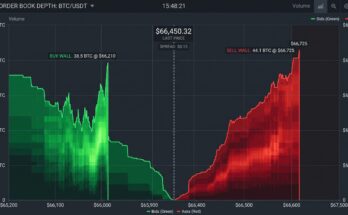
Order flow is the raw data of every trade executed in the market. It represents the actual volume of buying and selling hitting the order book at specific price levels, rather than the smoothed-out representation of a price candle. When you look at an order book, you aren’t just seeing numbers; you are seeing the direct confrontation between aggressive takers and passive makers.
Expert Insight: I never rely on candlesticks alone. I use a “Footprint Chart” or an “Order Flow Volume Profile” to see how much volume was traded at the bid versus the ask within a single candle. If a massive amount of volume hits the ask, but the price refuses to move higher, that’s a clear sign of absorption. Smart money is “soaking up” the retail buying, and a reversal is likely imminent.
Identifying Structural Inefficiencies
A structural inefficiency is essentially an “unbalanced” area of the market where supply or demand was not fully met. These are often left behind by fast, impulsive moves in the market—the kind of “flash” rallies or dumps that leave large gaps in the order book. Algorithms view these areas as “unfinished business,” and they are mathematically programmed to return to these levels to “rebalance” the market.
Personal Example: I remember a major BTC rally that left a massive “Fair Value Gap” on the hourly chart. Retail traders were buying the breakout, thinking the trend would never end. I waited. I knew the market was structurally inefficient. Within 24 hours, the price pulled back exactly to that gap to refill the orders, giving me a high-probability entry while everyone else was panic-selling into the dip.
The Convergence of Absorption and Inefficiency
The real “alpha” in this strategy comes when you find an area where structural inefficiency meets order flow absorption. When price returns to a previous inefficiency, watch the order flow data. If you see high-volume absorption—meaning aggressive sellers are hitting the bid but the price isn’t dropping—you have found a high-probability reversal zone.
-
Mapping the Gaps: Look for impulsive moves that left no overlapping candles; these are your primary inefficiency zones.
-
Waiting for the Test: Never “front-run” an inefficiency. Wait for the price to actually touch the zone and watch how the order book reacts.
-
The Confirmation: You need to see a “delta shift”—a change in the aggressiveness of takers—before you commit to the trade.
Managing Risk at Structural Zones
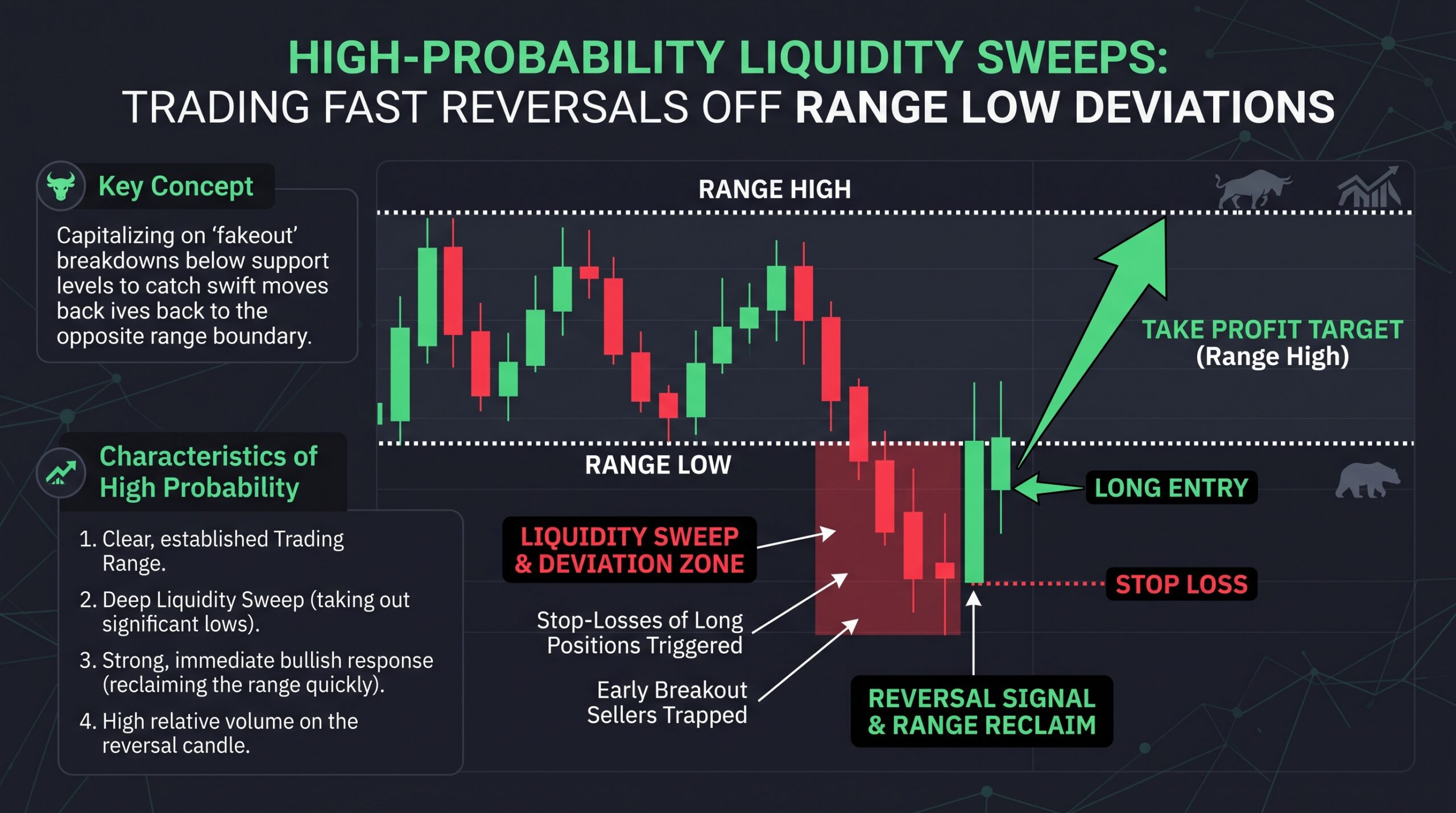
Trading structural inefficiencies requires strict discipline because these zones are also targets for “stop-loss hunts.” When price returns to rebalance an inefficiency, it often dips just far enough to trigger the stops of traders who entered too early.
-
Stops Beyond the Zone: Always place your stop-loss behind the entire inefficiency zone, not just at the start of it.
-
Small Position Sizing: These trades can be volatile because they often happen during news events or liquidity-heavy sessions. Keep your size reasonable.
-
Dynamic Exits: Don’t hold for “the moon.” Target the next major inefficiency or structural level, and move your stops to break even as soon as the trade moves in your favor.
Order flow and structural inefficiency analysis take you out of the reactive cycle of guessing and into the proactive cycle of institutional anticipation. By learning to see the gaps that the market must revisit and reading the order book to confirm the absorption of selling or buying pressure, you gain an edge that 90% of retail traders don’t even know exists. Stop trading the chart patterns you see on social media. Start trading the structural truth of the order book, and watch how your conviction—and your win rate—dramatically improves.
FAQ
Do I need expensive software to analyze order flow? While professional tools (like Sierra Chart or Bookmap) are excellent, you can learn the basics using volume-profile tools and footprint indicators available on platforms like TradingView.
Is this strategy better for day trading or swing trading? It is incredibly powerful for both. Structural inefficiencies are often more significant on higher timeframes (4-hour and Daily), while order flow data is vital for precision entries on 5-minute or 15-minute charts.
How do I know if a gap is “filled”? A gap is generally considered “filled” once the price action trades through the price level where the inefficiency occurred. Once that happens, the structural “magnet” is gone.
What is the biggest mistake when trading order flow? Over-complicating it. Don’t look for the “perfect” order flow signal. Look for the confluence of a structural gap and a clear sign of absorption on the bid or ask.