
Holding cash feels comfortable. Watching a bank account balance stay stable brings a sense of control and security. Yet, beneath that surface safety, an invisible force quietly chips away at your hard-earned savings year after year. That force is inflation, and ignoring its long-term compounding effects is one of the single biggest financial mistakes an investor can make.
Leaving funds parked in a standard high-yield savings account or letting excessive cash accumulate in checking accounts feels risk-free, but it creates a guaranteed loss in real purchasing power over time. Understanding how inflation impacts wealth—and knowing which asset classes actively outpace rising prices—is crucial to preserving purchasing power and building lasting financial security.
What Inflation Really Costs You: The Nominal vs. Real Return Trap
Many investors focus exclusively on nominal returns—the literal percentage gain reported on an account statement. If a certificate of deposit (CD) pays 3% or a savings account offers 2%, it looks like positive progress. However, if headline inflation rises at 3.5% annually, your real rate of return is negative.
When living costs rise faster than cash yields, purchasing power declines. A household budget that costs $5,000 per month today could require over $9,000 per month in 20 years, assuming a baseline 3% annual rate. Holding excess uninvested cash guarantees a loss in future buying capacity.
Core Asset Classes to Outpace Inflation
Fighting inflation does not mean taking unnecessary speculatory risks. Instead, it requires deploying capital into asset classes backed by real value, growing earnings, or direct price indexing.
Dividend Growth Stocks & Broad Equities
Equities represent ownership in companies that can raise prices to mirror rising production costs. Well-managed corporations pass price increases along to end consumers, preserving corporate profit margins.
-
Dividend Growth Companies: Businesses with a long track record of annual dividend increases provide compounding cash flow that rises alongside general living costs.
-
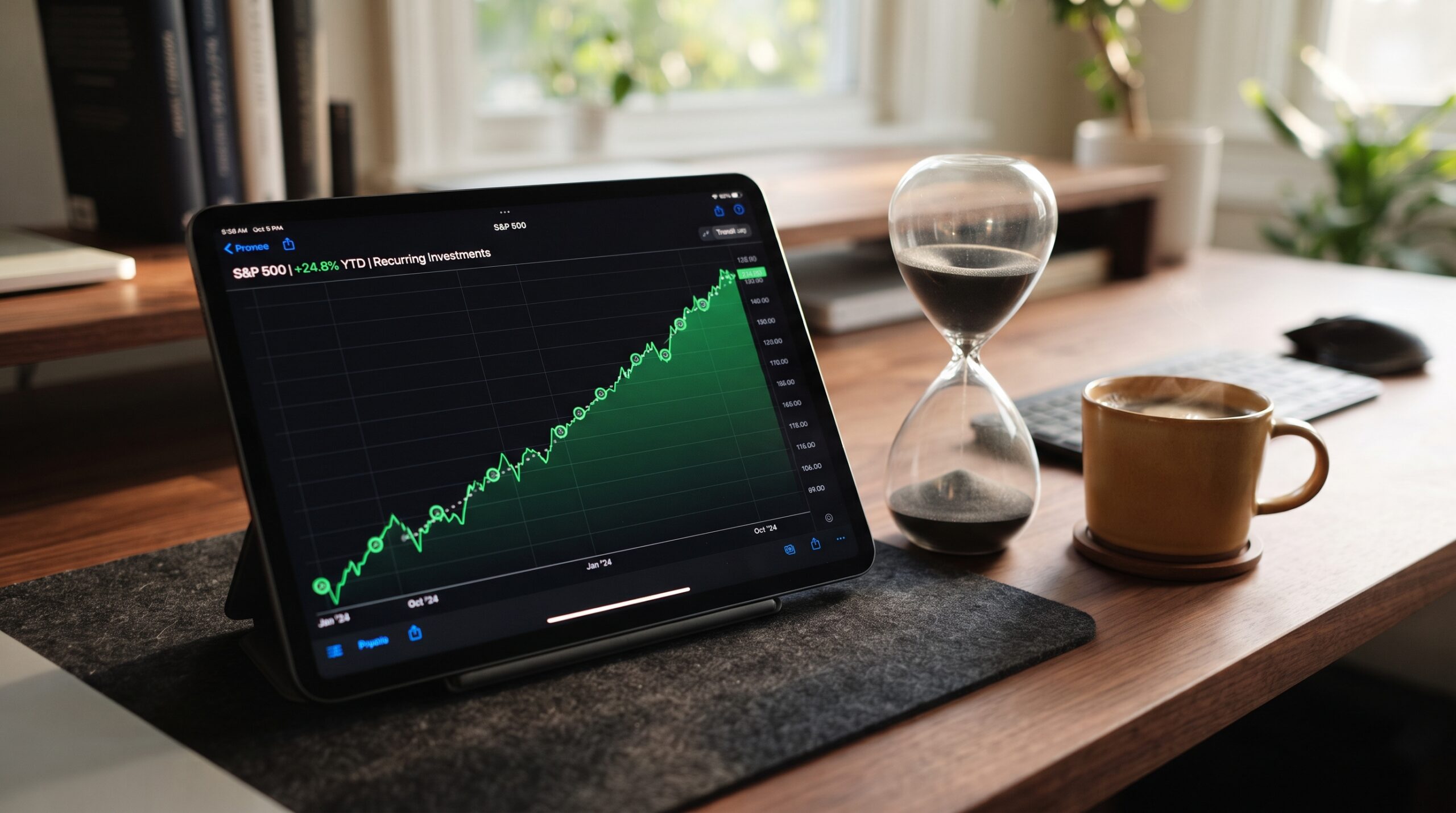
Broad Market Index Funds: Low-cost index tracking options like total stock market or S&P 500 funds historically return 7% to 10% annualized over long horizons, well above historic inflation averages.
Treasury Inflation-Protected Securities (TIPS)
Issued by the U.S. Treasury, TIPS are designed specifically to protect bond holdings from consumer price hikes.
-
Principal Indexing: The principal value of a TIPS bond adjusts upward with changes in the Consumer Price Index (CPI).
-
Fixed Coupon Real Yields: Interest payments recalculate based on the adjusted principal balance, helping ensure fixed-income allocations maintain purchasing power.
Real Estate & Infrastructure
Physical real estate assets act as natural inflation hedges. Landlords can adjust rental agreements annually to match current market conditions, while building replacement costs rise alongside materials and labor expenses.
Comparing Inflation-Fighting Strategies
| Strategy / Asset Class | Inflation Protection Level | Primary Yield / Return Mechanism | Key Risk Factors |
| Broad Market Equities | High (Long-Term) | Capital growth & growing dividend payouts | Short-term stock market volatility |
| TIPS & Series I Bonds | Direct (Indexed to CPI) | Principal adjustments matching CPI changes | Fixed income caps; low capital appreciation |
| Real Estate (REITs / Physical) | High | Escalating lease rates & property values | Illiquidity, interest rate sensitivity |
| Uninvested Cash / Savings | None | Fixed interest yield (often below CPI) | Guaranteed loss of purchasing power |
Actionable Money Moves for Investors
Re-Evaluate Your Cash Reserves
Maintaining an emergency fund equivalent to 3 to 6 months of essential living expenses is critical for short-term liquidity. However, stockpiling years of living expenses in plain cash accounts exposes large amounts of capital to purchasing power erosion.
Automate Investment Contributions
Dollar-cost averaging into diversified index funds removes emotional timing decisions. Automating monthly investments ensures continuous exposure to productive, growth-oriented assets regardless of short-term headlines.
Maintain a Balanced Fixed-Income Allocation

For conservative investors or retirees who need stable fixed-income yield, replacing a portion of traditional nominal bonds with TIPS or inflation-indexed funds helps preserve capital purchasing power.
FAQ
What is the difference between CPI and Core Inflation?
The Consumer Price Index (CPI) tracks price changes across a standard consumer basket of goods and services. Core Inflation excludes volatile food and energy costs to provide a clearer view of long-term price trends.
Are high-yield savings accounts (HYSAs) safe from inflation?
While HYSAs offer principal protection and yield higher rates than standard checking accounts, their returns rarely beat inflation after accounting for taxes. They work well for short-term savings, but long-term wealth requires growth-oriented investments.
How do Series I Savings Bonds protect against rising prices?
Series I Bonds pay a compound rate combined of a fixed return rate and an inflation rate that adjusts semiannually based on changes in the CPI, securing real purchasing power.
How much cash should I keep in an emergency fund?
A standard benchmark is keeping 3 to 6 months of essential expenses in a liquid high-yield savings account. Excess capital beyond emergency needs and short-term savings goals can be directed into productive investments.
Do commodities like gold always hedge against inflation?
Gold historically serves as a long-term store of value, but its price fluctuations can be volatile over short timeframes. Real estate and dividend growth equities generally offer more consistent ongoing cash flow.