
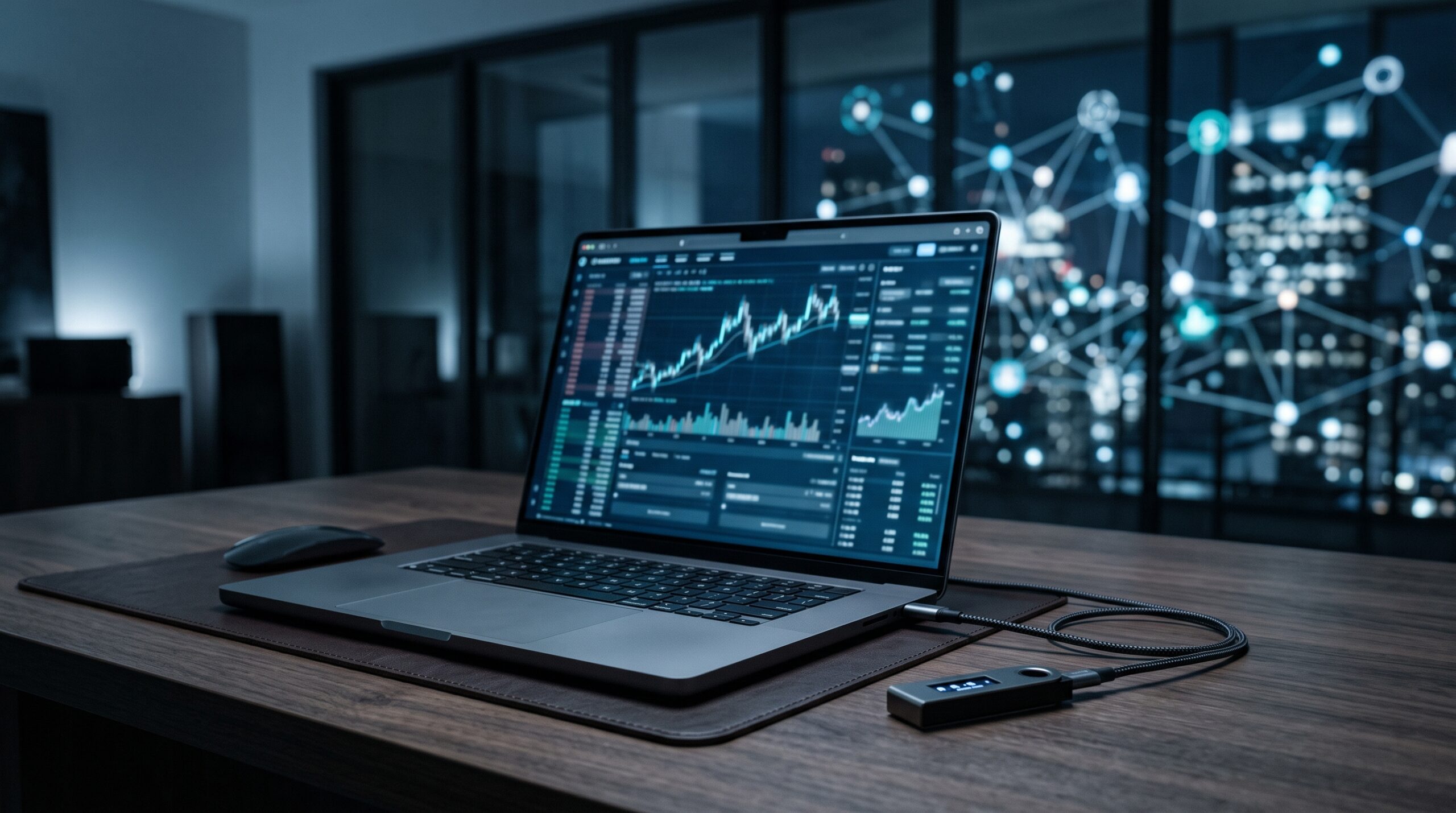
You spot a trade that should clear a few percent of edge. By the time the wallet finishes simulating, the network is congested, the priority fee spikes, and the swap’s gas bill eats the idea alive. The transaction confirms anyway—just in time to teach you that gross profit is not net profit.
Optimizing gas fees is one of the most practical skills in on-chain crypto. Smart routing and Layer-2 networks will not invent alpha for you, but they can stop infrastructure costs from quietly confiscating it. This guide covers how gas works, when to move activity to L2s, and how routers reduce waste. It is educational only—not financial advice. On-chain trading always includes risk of loss.
Why Gas Turns Winning Trades Into Break-Evens
On networks like Ethereum mainnet, every contract call competes for block space. You pay for computation and priority. Complex swaps, multi-hop paths, approvals, and failed transactions all cost. During NFT mints, liquidations, or meme frenzy, base fees and tips rise fast enough that small accounts cannot afford experimentation.
Profit protection starts with treating gas as a first-class cost line. If your expected edge is 1.2% and gas is 0.9% of notional, you do not have a trade—you have a donation to validators plus slippage risk. Size, timing, and venue choice matter as much as direction.
Expert Insight From Active Wallets
Professionals batch decisions: fewer approvals, fewer dust moves, and fewer “just checking” contract calls. Retailers often leak more to gas through habits than through a single expensive swap.
Smart Routing: Paying for Path Quality, Not Just Speed
Smart routers and DEX aggregators search multiple pools and split orders across venues to improve execution price. A better route can save more than a cheaper gas setting if it reduces slippage on size. The opposite also happens: an exotic multi-hop path can raise gas so much that a slightly worse single-pool fill would have been cheaper overall.
Before signing, compare net output after gas—not only the quoted token amount. Many interfaces show both. If you trade size relative to pool depth, routing matters more. If you trade tiny size on a liquid pair, a direct pool with low complexity may win.
Hypothetical Router Choice
You swap a mid-cap token. Route A uses one stable pool and moderate gas. Route B weaves four hops for a fractionally better quote and double the gas. On small notionals, Route A often wins on net. On large notionals, Route B’s price improvement may dominate. Always run the net math.
Layer-2 Networks: Where Most Routine Activity Belongs
Layer-2 networks settle execution off mainnet while inheriting security models that vary by design (optimistic rollups, ZK rollups, and others). For users, the visible effect is lower fees and faster confirmation for swaps, perps, and farming interactions. Bridging to an L2 has a cost and a risk surface; living on an L2 for daily activity is how fee savings compound.
Choose L2s that support the markets and tools you actually use—liquidity, oracles, and reputable interfaces. A microscopic fee on an empty market still produces bad fills. Liquidity and fee level travel together; optimize both.
Expert Insight on Bridge Timing
Bridge when fees are calm and you are not chasing a one-minute candle. Panic bridging during congestion stacks mainnet gas with emotional trading. Move capital in planned size, then operate.
Practical Habits That Cut Gas Without Fancy Tools
Approve exact or limited allowances when the interface allows, and avoid repeated unlimited approvals across random contracts. Revoke stale allowances so you are not one phishing site away from draining a forgotten permit. Batch actions when protocols support multicall patterns. Avoid failed transactions by simulating first and setting realistic priority fees—underpaying can waste fees on never-mined attempts depending on wallet behavior.
Trade outside of obvious congestion windows when your strategy allows. Funding, option expiry clusters, and hyped launches are expensive times to discover a new contract. Keep a small mainnet balance for exits and settle speculative flow on cheaper execution layers when possible.
Compact Gas-Defense Checklist
Net profit after gas estimated before signing. Simulation succeeds. Route complexity justified by size. Limited token approvals. L2 preferred for routine swaps. Bridge planned, not panicked. Priority fee matched to urgency—not ego. Failed-tx habits eliminated.
When Mainnet Still Makes Sense
Not every action belongs on an L2. Settlement, certain institutional flows, NFT ecosystems, or protocols that only deploy on mainnet may require L1. High-value, low-frequency moves can absorb higher gas. High-frequency, low-edge moves cannot.
If you must use mainnet, simplify the path, avoid peak blocks, and consider whether the position size justifies the fee. Sometimes the correct optimization is not trading. Sitting out a congested hour protects profits more effectively than forcing a mid-gas fill.
Hypothetical Small-Account Trap
An account chasing $30 of edge on mainnet during a 40-gwei spike can spend most of that edge on a single complex swap. The same idea on a liquid L2 might cost cents to dollars. Venue choice is strategy.
Tooling: What to Watch Without Over-Automating
Gas oracles, block explorers, and wallet simulations help you see base fee trends and whether a transaction will revert. Aggregators display route breakdowns. Portfolio tools estimate historical gas spent—useful if you have never added up a month of “small” approvals.
Beware bots and scripts you do not understand. Automated systems can spam transactions or leak keys. Optimization should reduce variance and cost, not add operational risk that dwarfs fee savings.
FAQ
What is the fastest way to lower crypto gas costs?
Move routine activity to liquid Layer-2 networks and avoid mainnet during congestion when your strategy allows.
Do DEX aggregators always save money?
They often improve price, but complex routes can raise gas. Compare net output after fees.
Are L2s risk-free because fees are low?
No. Bridge risk, smart-contract risk, and liquidity risk remain.
Should I always set the highest priority fee?
No. Match priority to urgency. Overpaying burns edge; underpaying can delay or strand intent.
Do token approvals cost gas?
Yes. Approvals and revokes are transactions. Limit and clean them deliberately.
Is this investment advice?
No. It is educational material about transaction costs. Trading crypto involves substantial risk of loss.
Protect the Edge You Already Found
Optimizing gas fees through smart routing and Layer-2 networks protects crypto profits by shrinking the invisible tax on every swap, approval, and retry. Routers help when price improvement exceeds extra computation. L2s help when your activity is frequent and portable. Discipline helps when the best trade is waiting an hour.
Open your last ten transactions and total the gas in fiat terms. If the number surprises you, shift the next week of routine trades to a liquid L2 and force a net-after-gas check before each mainnet signature. Edge is hard to find. It should not be easy to set on fire for block space.